HIST 100: Engineering The Past

  • Home
  • Syllabus
  • Schedule
  • Blog

Concept Map

March 1, 2016 by mylesk Leave a Comment

I ended up making a Venn diagram on the treatment of the dead and looked at the Inca’s, Aztec’s, Paris catacombs and the San Francisco cemeteries. I ended up comparing and contrasting them all individually and then between one another. The main theme of my topic is that treatment of the dead is a religious practice that varies only slightly between time and place. Like everything else the more time that passes the more things evolve and change. With this passage of time, we tend to place less emphasis on the past or the dead and think more about the future or living.

As you can see from my diagram each topic has its own individual characteristics from the others but they all have similarities in the way they treated the dead right after death and as time passed. The Incas and Aztecs civilization are both further back in history where preservation of the dead, offerings and polytheism were prevalent. Religion played a much bigger role in the world and heritage and history was needed to show station. As time has passed religion isn’t as big of a driving force in how the world works, mostly there is only one god and we now believe in technology, innovation and progress. This is what shows in the Paris catacombs and San Francisco cemeteries, these events happened in a giant boom for the economy and expansion fueled our drive for a, ‘bigger and more” mentality. The world was growing at such a fast pace and it was no longer necessary to know your heritage, as your birth no longer dictated your station in life. With all of this, the treatment of the dead had to be moved out of the way into a place that would be less disturbing to progress but still enable the dead to be remembered.

IMG_3747

Filed Under: 0.0 Concept Map Assignment, Group 1

2.2 Prownian Analysis

February 20, 2016 by mylesk Leave a Comment

Prownian Analysis

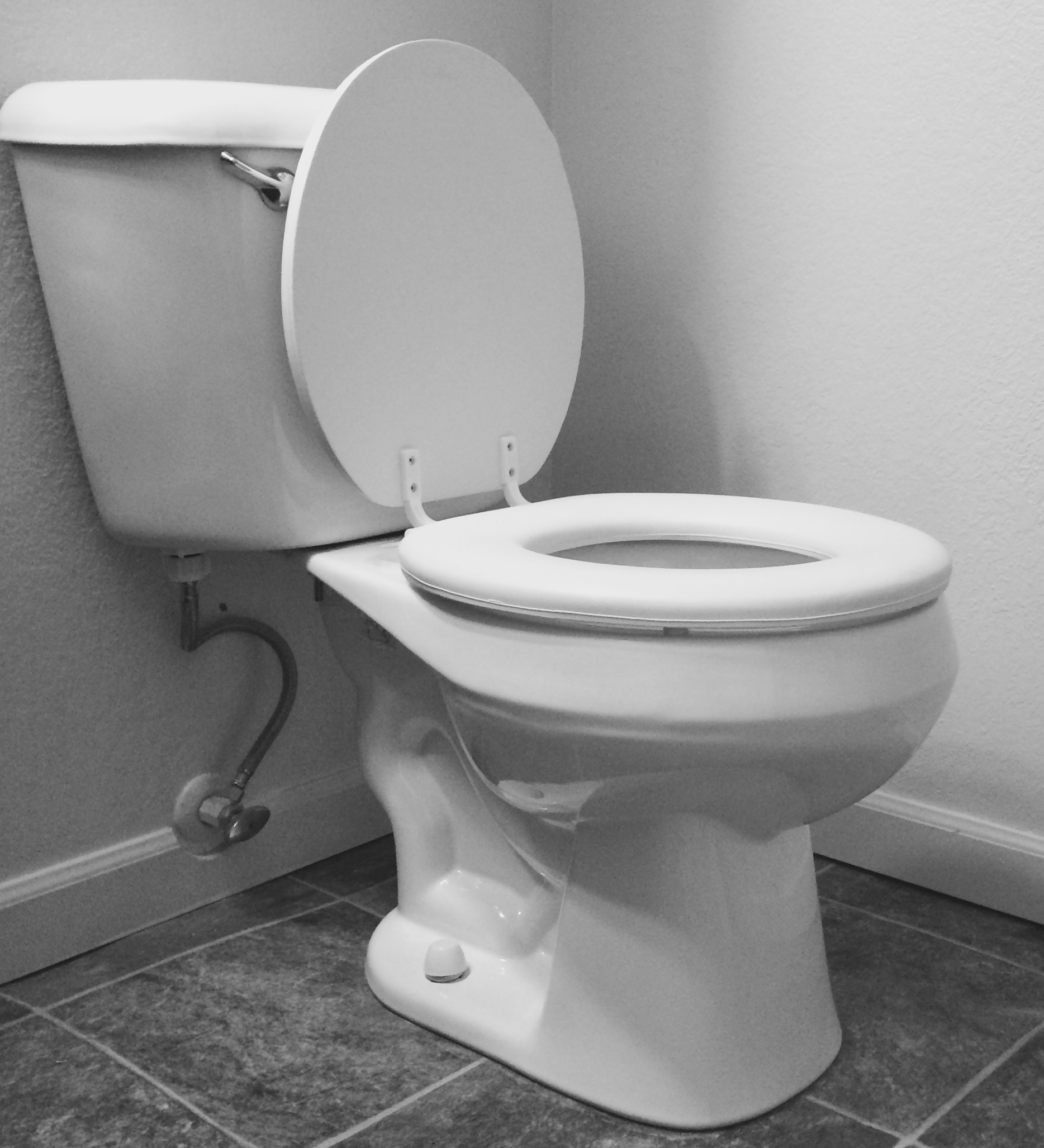
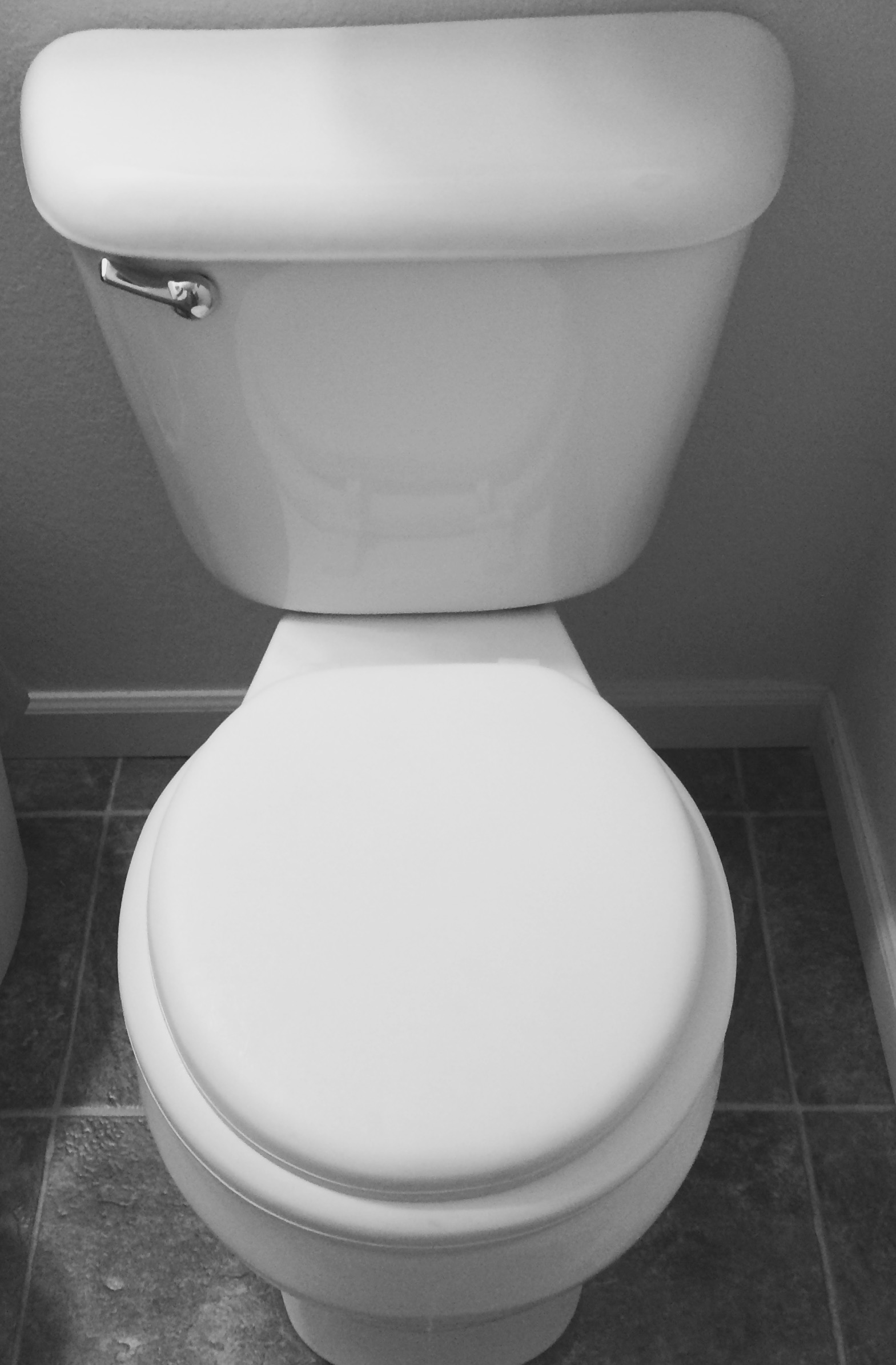
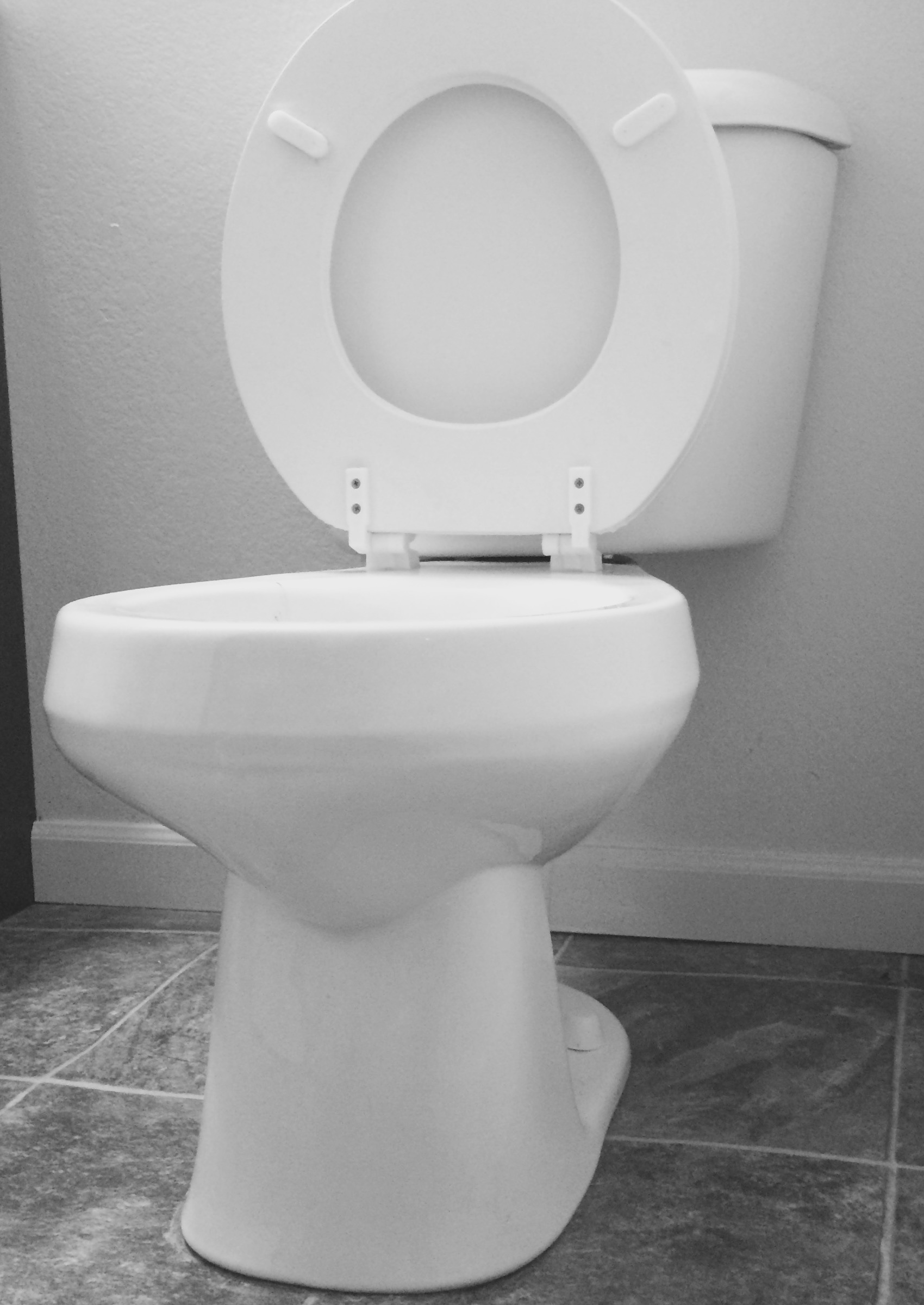
Description: This item looks to be about 2 feet from is lowest point to its highest point and 1 foot from the middle point end to end which increases to about 1.5 feet from the top side to side. It looks to be made of a smooth material that is all white, except for a small gray and shiny handle, it is glossy and is cold to the touch.

Deduction: It looks like an object that could be sat upon as it is shaped similar to a chair or it could have been chest height if you sat around it and seems to be located away from living and eating areas in its own separate room. The material suggest that it is very strong and would be able to be used by large groups of men, women and children and could be used multiple times over. There is water in the bowl and a handle to flush away the water, which suggest that this item could be used to have access to water or to flush away.

Speculation: This item looks to be made for bringing in and flushing water away from the living quarters without having to walk such a long way. This item could have been created to save time, keep people out of the elements, comfort and sanitary reasons.

1.) Was this used for religious purposes? As it is circular and if you sat or knelt around it ,it would be just about chest height.

2.) Was this to bring water into the home and a way to send it back out of the home?

3.)Why was it in a separate area of the house that is small and enclosed?

https://www.plumbingsupply.com/toilethistoryindia.html

This article really dives into the past based on historical facts and then progresses to the current use of the toilet. In the past not a lot of thought was put into or given to bathroom habits as this would have been considered vulgar. Once civilization started to have a home and sanitation came into plat it started advancing slowly but took a long time.

The authors’ method of understanding is based on historical facts and he doesn’t really seem to do a big analysis on the object itself.

BALDWIN, PETER C. Public Privacy: Restrooms in American Cities, 1869-1932. Journal of Social History. Winter2014, Vol. 48 Issue 2, p244-288. 25p.

For peer reviewed I wasn’t able to find anything specific on the history of the toilet but I was able to find an article on public restrooms in America. This looks at how the state was trying to protect privacy and encourage personal care. Again not looking as much at the object itself but on the past.


FullSizeRender copy 2 FullSizeRender copy FullSizeRender

Filed Under: Groups

4.2 Other Large Sacred Structures

February 6, 2016 by mylesk 1 Comment

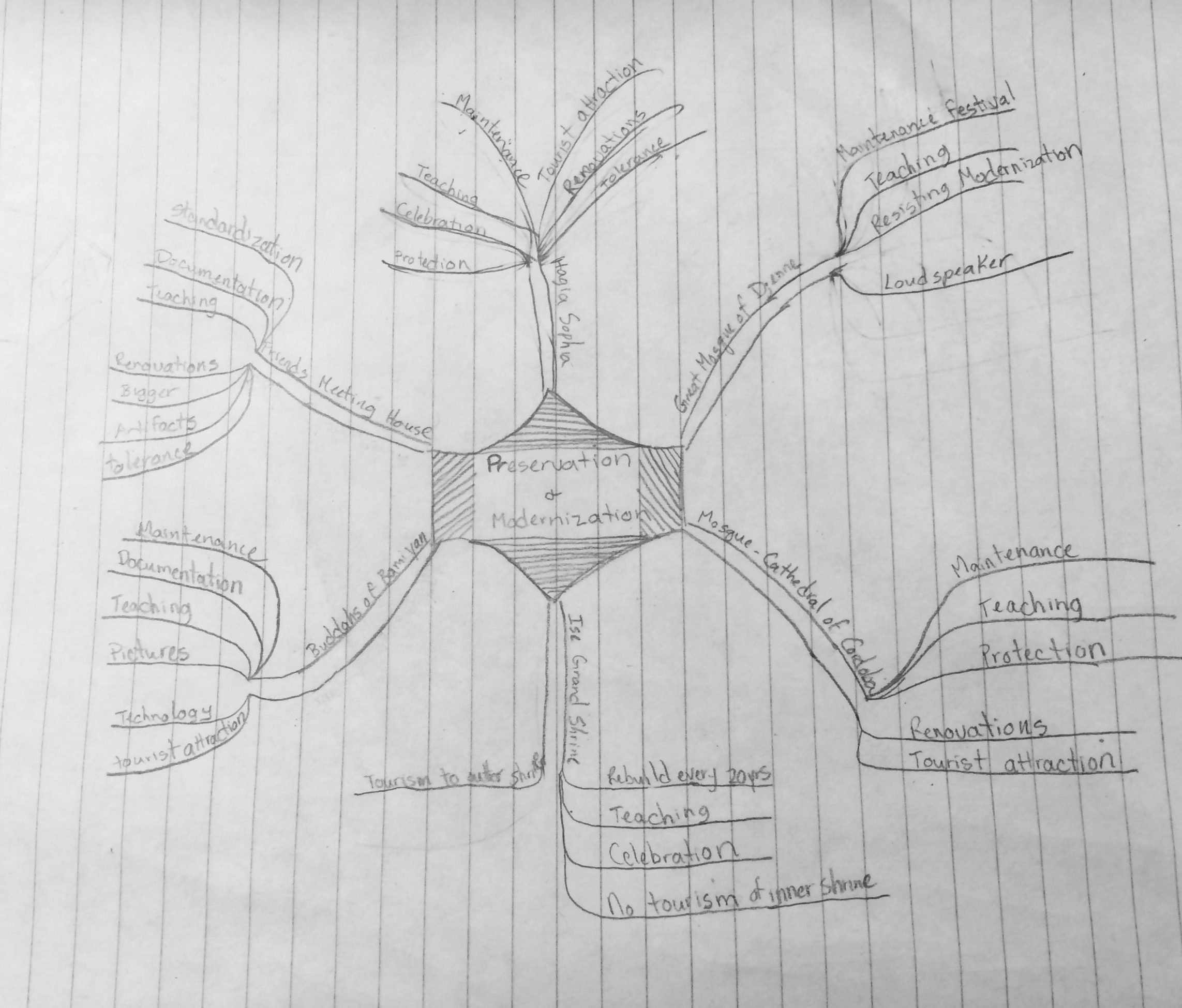
I found though my reading and other research that most of the structures did seem to focus more on preservation. Some would do annual maintenance , celebrations to pass down traditions, or rebuild the entire structure. Along with restricting  general citizen or tourist usage or not allowing it at all.

Modernization seems to be updating with modern amenities such as electricity, HVAC and toilets, which some have not done to maintain historical integrity. Most of the modernization that has been done is a way for the structure to be turned into a tourist attraction to obtain funds to aid in preservation of the structures.

FullSizeRender

Filed Under: 04.2 Other sacred structures - visualization, Group 1

  • « Previous Page
  • 1
  • 2
  • 3
  • 4
  • 5
  • 6
  • Next Page »

Students

Log in here.

Groups

Student Contributions

From the Professor

Copyright © 2026 · Minimum Pro Theme on Genesis Framework · WordPress · Log in